
Training in China:
manual therapy. Orthopaedics
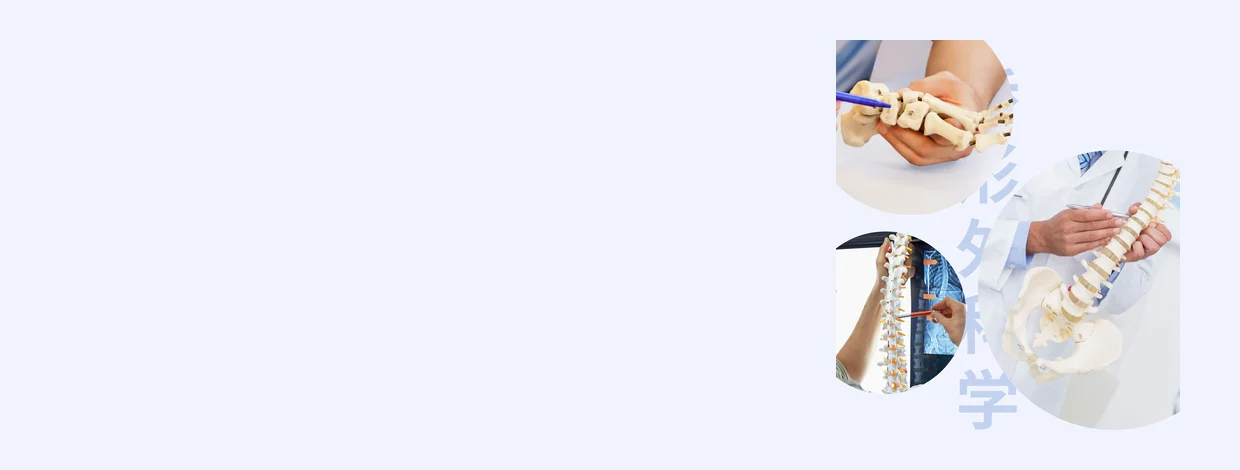
Manual therapy is a treatment method in which the specialist works with the hands on the patient's body to restore the function of the musculoskeletal system without changing its structure.
Become an expert in manual therapy and orthopaedics
Training with recognised experts and doctors in China
Learn deep work on vertebrae, intervertebral discs, joints and ligaments with the hands alone. Chinese manual therapy and orthopaedics methods help release nerve compression, restore mobility of the spine and much more. Physical methods and palpation techniques help beginners and practising specialists understand the anatomy and function of joints and tissues better, and determine the necessary treatment and rehabilitation methods.
What the training includes
Booking and a signed contract are required
- Airport meeting, transfer to the railway station and hotel
- Hotel accommodation
- A personal interpreter for the mini-group
- A Russian-speaking coordinator
- A professional method guide in Russian
- A Chinese certificate
- A certificate of advanced training (if you hold a diploma)
- Europass — a European certificate
- Instalment payment
How to book a place
- Sign the contract (we send a link)
- Pay a deposit of 50 EUR / 25 000 tenge
- Send us your documents: passport, diplomas, certificates
- Receive the invitation invoice and pay the full amount or arrange instalments
- Buy the flight ticket
- Apply for the visa
Individuals pay to the settlement account of Academy 21 LLP or by bank card — in euro or tenge. For companies, on request: a commercial offer, a contract, an invitation invoice for payment and a certificate of completion.
SHEYI vocational training school, Zhengzhou
Training program
- Chinese medicine knowledge about spinal conditions (cervical spine conditions, lumbar hernia, sciatic nerve damage)
- Use of functional exercises in orthopaedics
- Development of orthopaedic methods in the Tang dynasty (causes of conditions, first aid)
- Development of orthopaedic methods in the Song, Yuan, Ming and Qing dynasties (basics of orthopaedics, correction and treatment of dislocations)
- The role and limits of manual therapy and orthopaedics
- Recovery methods (studying the method of opening a dislocated joint and then returning it to its original position by force)
- The role of recovery (correcting an abnormal joint position, restoring the body's internal and external balance, relieving and eliminating pain, improving circulation, restoring damaged tissue)
- Three-step position diagnostics (diagnostics using the nervous system, palpation diagnostics, methods and approaches; diagnostics by visual examination)
- The shape of the spine (features of the anterior view, the lateral view and the posterior view of the spine)
- Physiological curves of the spine (features of the cervical, thoracic, lumbar and sacral curves, the causes of their formation, factors affecting deformation, the role of physiological curves)
- General characteristics of vertebrae: vertebral body, vertebral arch, processes (spinous, transverse, articular)
- Definition of the vertebral foramen, its function, factors affecting changes in the spinal canal
- Definition of the intervertebral foramen, its function, factors affecting changes in the intervertebral foramen
- The central nervous system (brain and spinal cord). The peripheral nervous system (spinal and cranial nerves)
- The autonomic nervous system (central part: brain and spinal cord; peripheral part: autonomic motor and sensory nerves). The number of nerves in the spine, the number and features of cervical nerves, thoracic nerves, lumbar nerves and sacral nerves
- Anatomy of the spinal cord: grey matter, white matter, anterior roots, posterior roots, spinal nerves, sympathetic nerves, interaction of posterior and anterior roots
- Cervical palpation (technique of palpating the spinous processes, location of pain points and their clinical significance)
- Physical diagnostic methods for the cervical spine (measuring the degree of neck flexion and extension, measuring the neck tilt angle, measuring the neck rotation angle and diagnostics)
- Nerve lesion tests (vertebral artery compression tests, separation tests, flexion tests, neck percussion test, reflex tests, nerve tension tests, deep nerve test, ultrasound pressure test, thoracic extension test, impulse test and their clinical significance in orthopaedics)
- Lumbar palpation (technique of palpating the spinous processes, location of pain points and their clinical significance)
- Lumbar methods (femoral nerve stretch test, leg raise test, supine stretch test, gluteal nerve stretch test, supine straight-leg tension test, straight inward and outward tilt test, iliac tension test)
- Hip joint palpation (palpation of the sacrum, of the hip joint, of the sciatic nerve and their clinical significance)
- Hip joint methods (bone separation test, leg flexion test, blood pressure test, tilt test, oblique tilt test and their clinical significance in orthopaedics)
- Shoulder joint palpation (palpation of the shoulder and of the large joints, their clinical significance)
- Shoulder joint methods (finger drop test, shoulder drop test, biceps test, shoulder muscle tension test, shoulder muscle compression test and their clinical significance in orthopaedics)
- Methods for the lower limbs (knee pull test, knee joint tension test, knee rotation test, posterior oblique compression test, lateral compression test, internal knee rotation test and their clinical significance in orthopaedics)
- Classification of X-ray images, principles of radiography, principles of CT, principles of MRI, features of X-ray images of human tissue, important aspects of radiography, of CT and of MRI
- Anatomical features of the cervical spine
- The two-dimensional cervical image on an X-ray
- Choosing the cervical position for radiography
- The five-step diagnostic method on the anteroposterior cervical view (sequence of cervical vertebrae; possible displacement patterns; determining displacement and its symptoms; how to observe symptoms related to incorrect vertebral position; how to diagnose the absence of visible disorders and the corresponding symptoms)
- The five-step diagnostic method on the lateral cervical view (sequence, angle change, three curve shapes, presence of displacement; determining the state of the intervertebral discs; how to observe ligaments and intervertebral joints; how to determine the state of the spinal canal and the related symptom complex)
- The three-step diagnostic method on the open-mouth cervical view (determining vertebral displacement and its direction; determining displacement and horizontal displacement; determining vertebral compression and bone condition)
- Diagnostic methods on the double oblique cervical view and on X-rays in severe trauma
- Basics of lumbar anatomy on X-rays
- Key points of reading lumbar X-rays (vertebral sequence; possible displacement patterns; determining displacements and their symptoms; how to diagnose dysfunction of the small lumbar joints)
- Diagnostic methods on the anteroposterior lumbar view and their clinical significance (vertebral sequence, three patterns of angle change, presence or absence of vertebral slipping; determining the state of the intervertebral discs; how to observe the posterior longitudinal ligaments, spinous processes and osteophytes)
- How to observe fissures in oblique lumbar diagnostics (slipping vertebrae, compression fractures, ankylosing spondylitis, osteoporosis, spondylolisthesis, spondylolysis, hidden spinal fissures)
- Basics of hip joint anatomy on X-rays
- Key points of reading hip joint X-rays
- Radiographic signs of anterior and posterior hip tilt
- Diagnostic methods and radiographic signs of internal and external hip rotation
- Diagnostic methods and radiographic signs of anterior and posterior hip displacement
- Cervical vertebra correction
- Thoracic vertebra correction
- Lumbar vertebra correction
- Pelvic correction
- Correction of limb joints
- Diagnosis and treatment of common spinal conditions
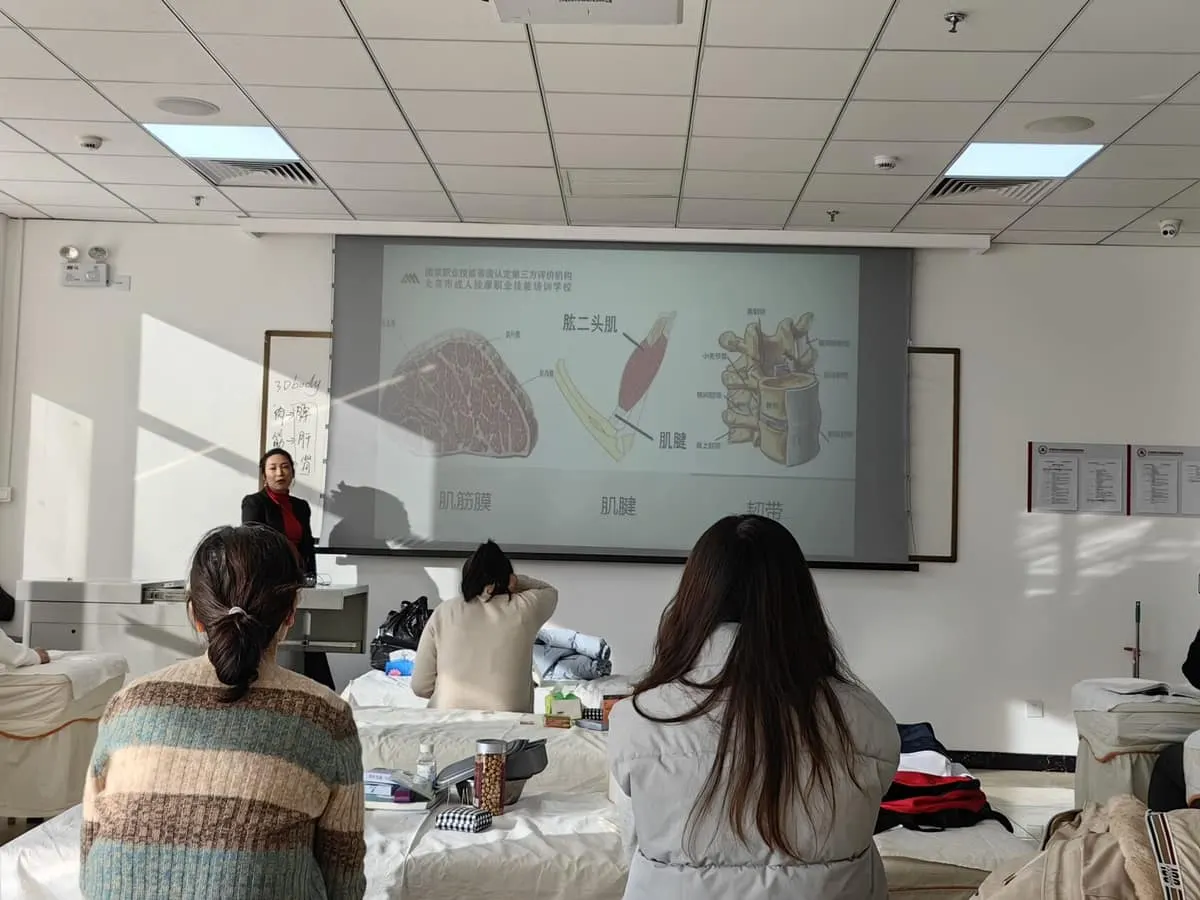
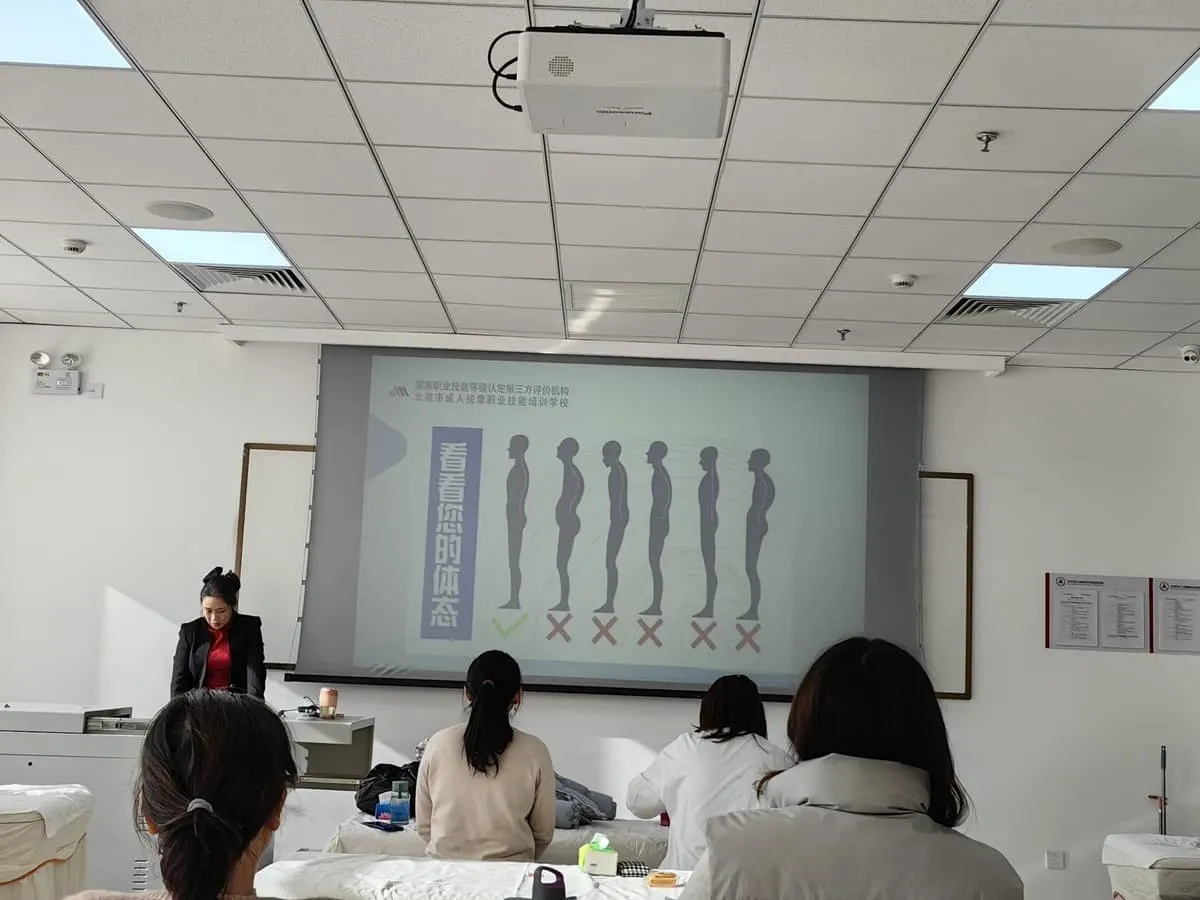
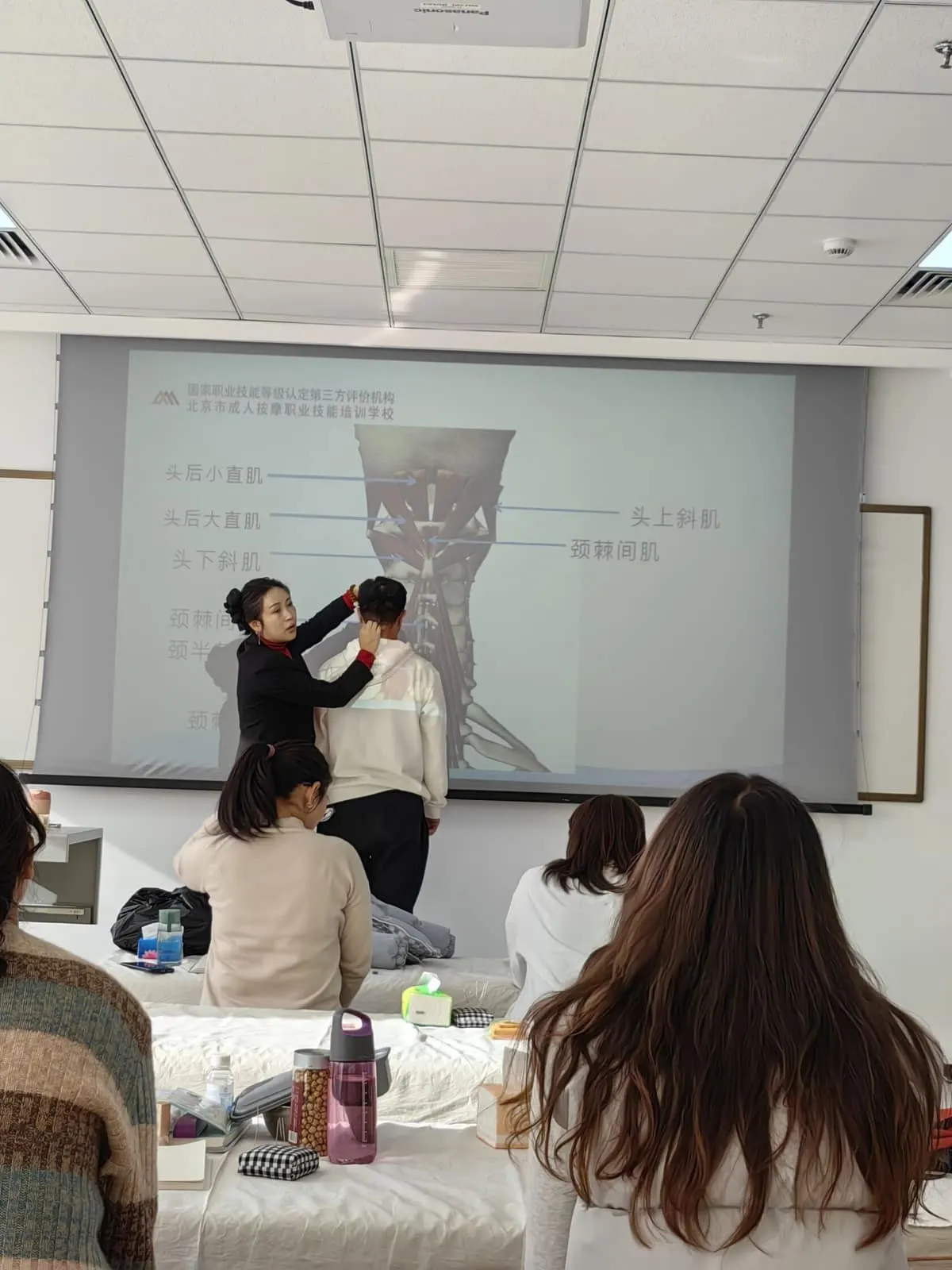
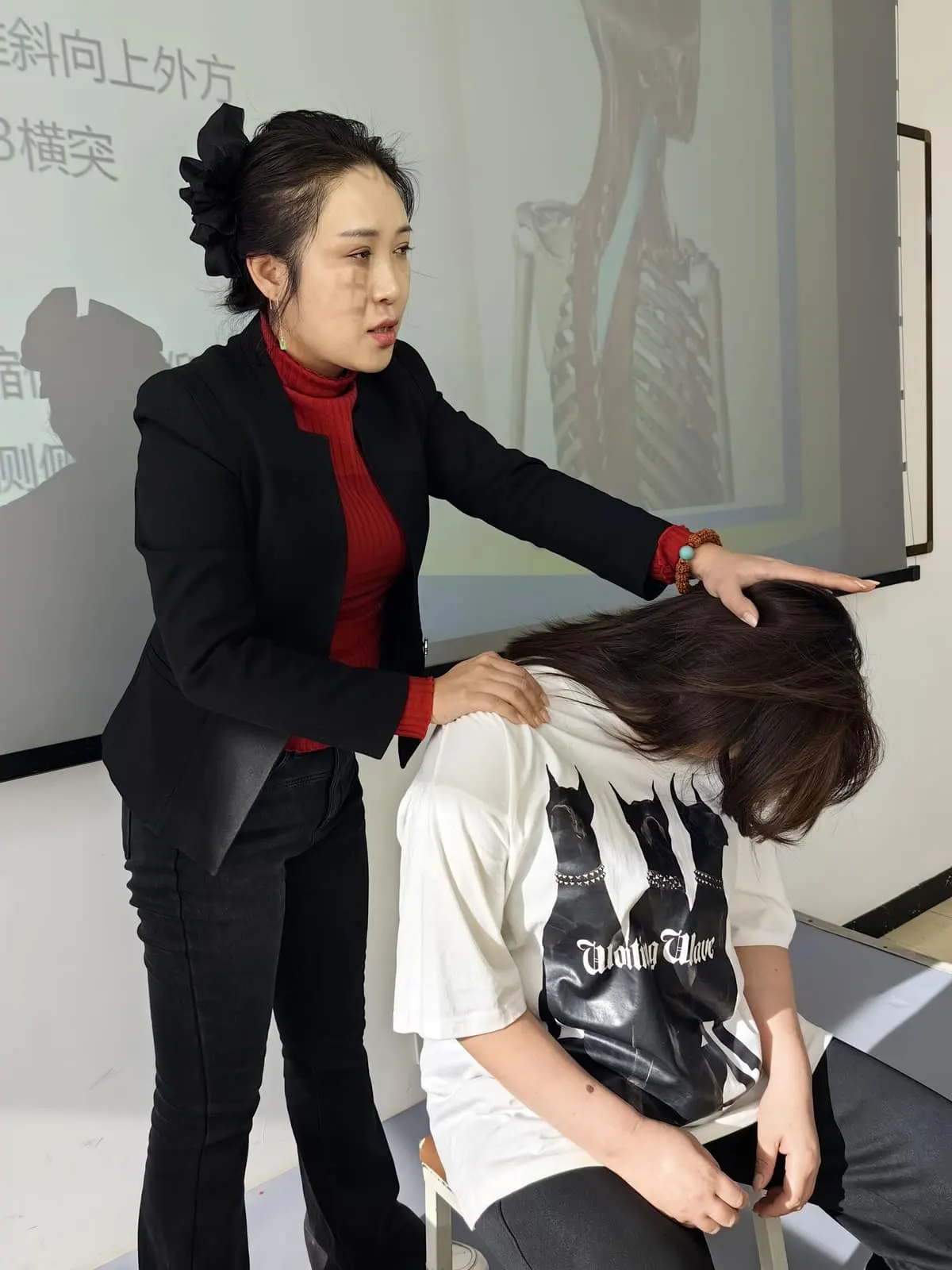
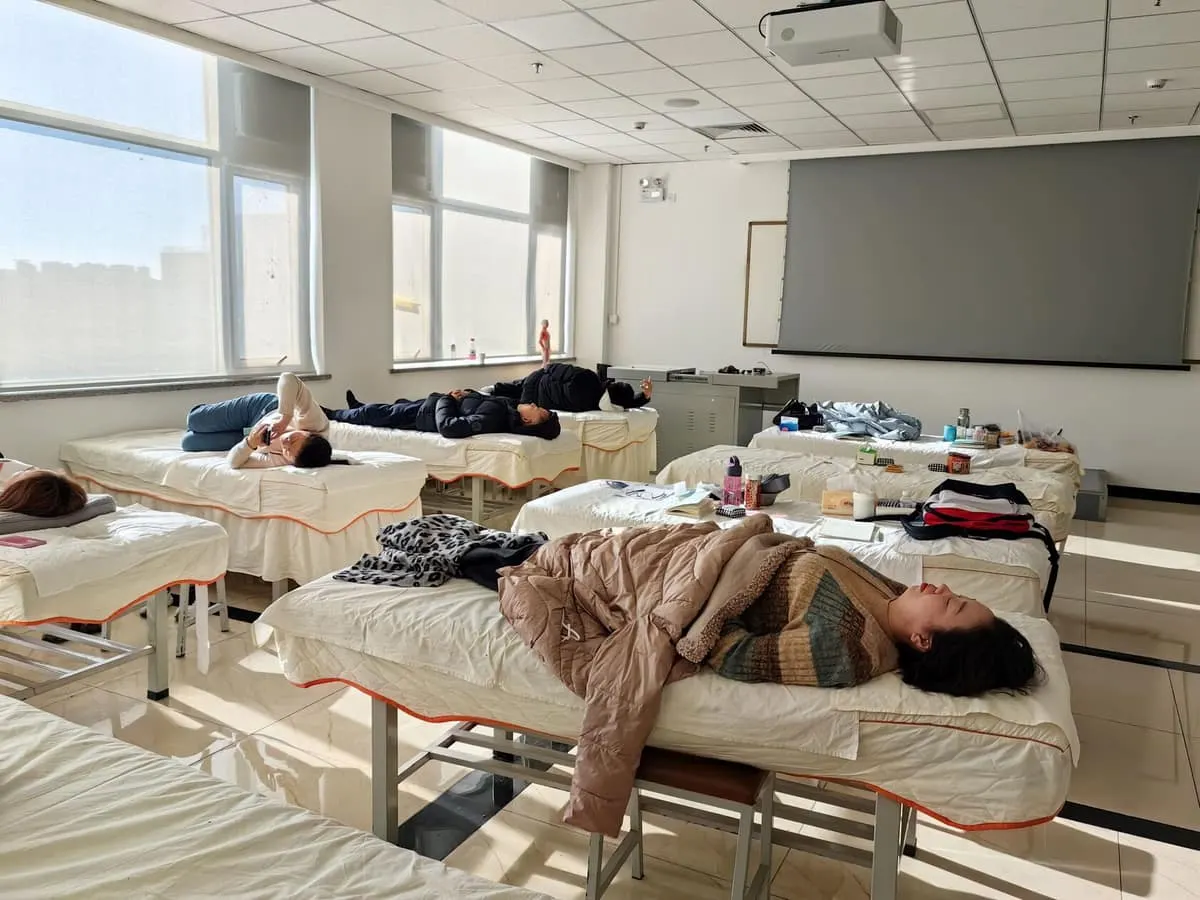
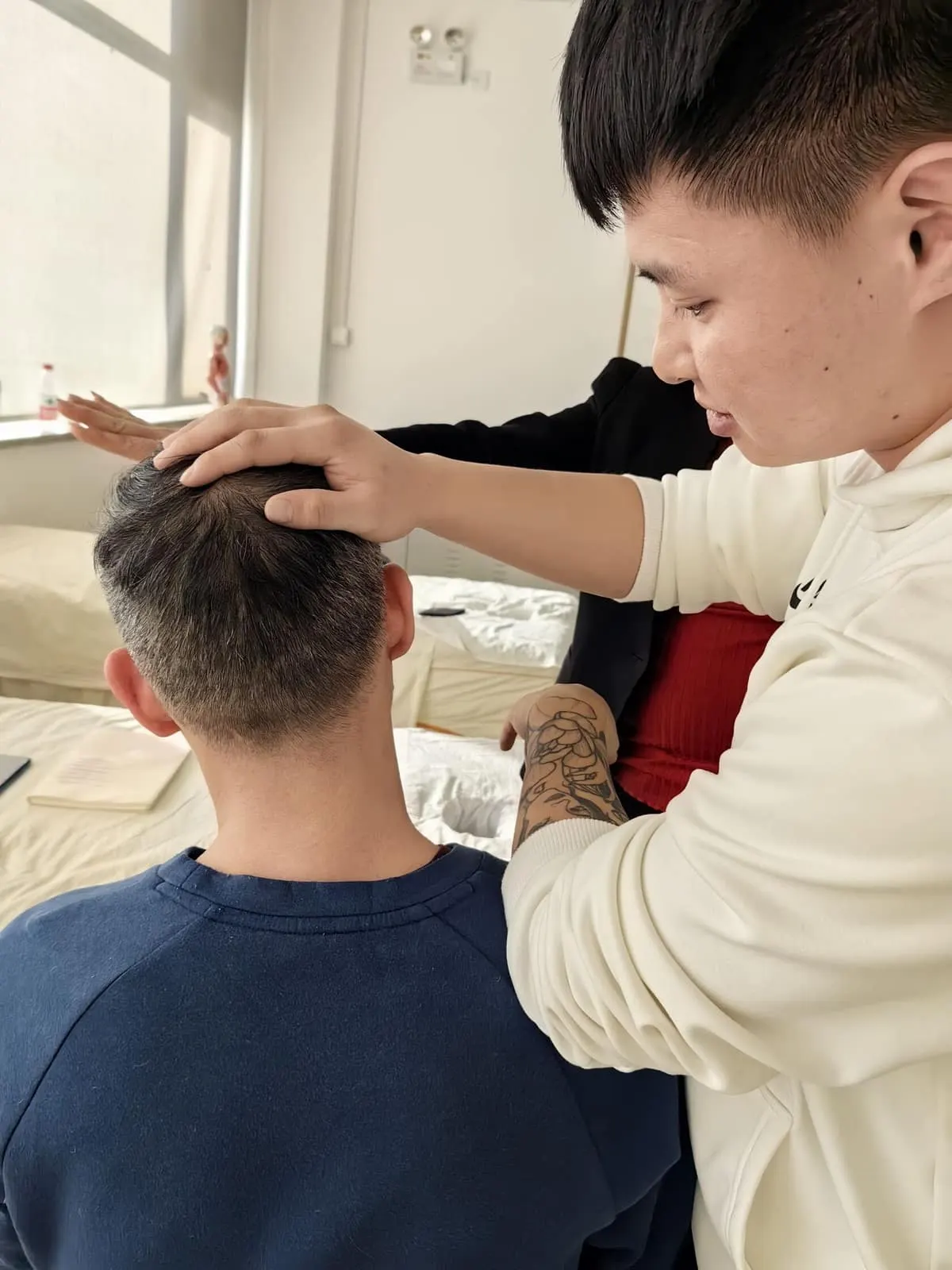
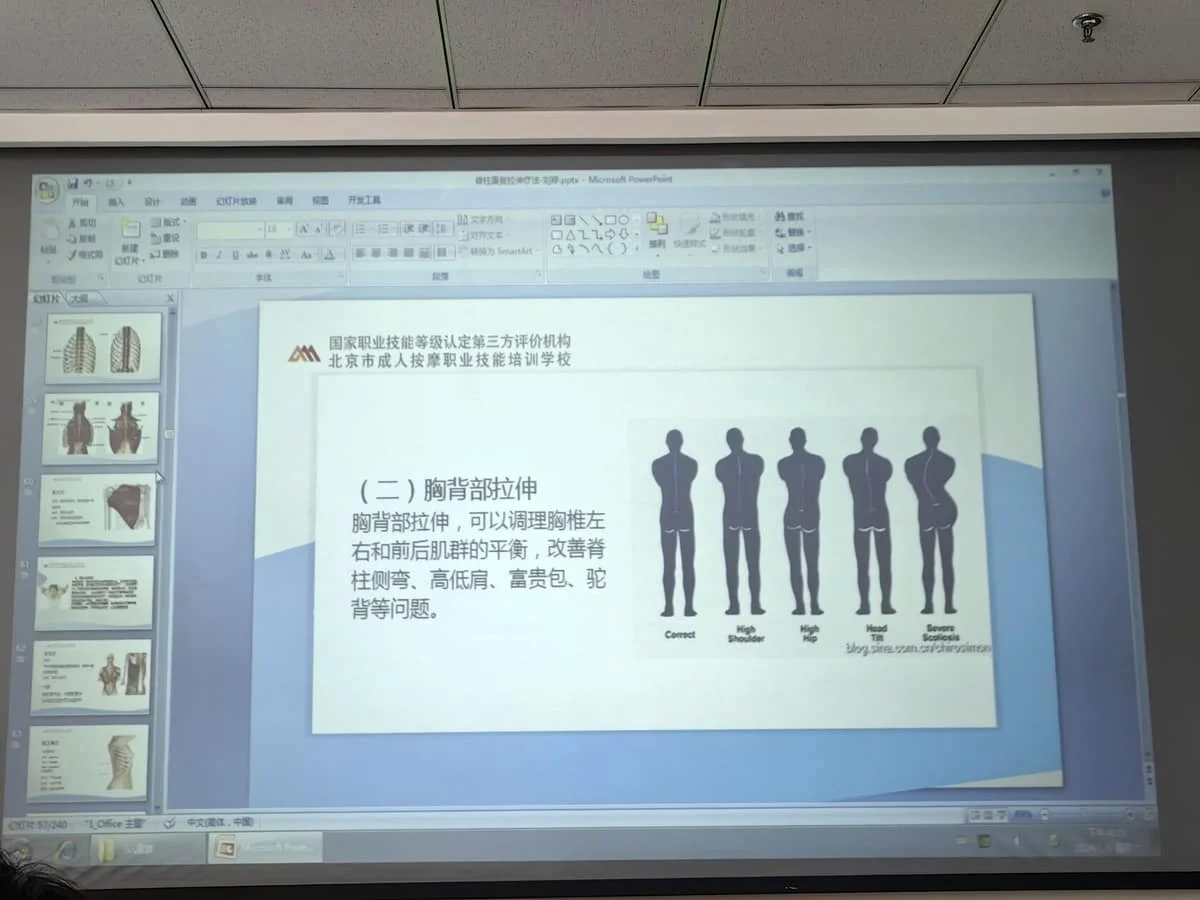
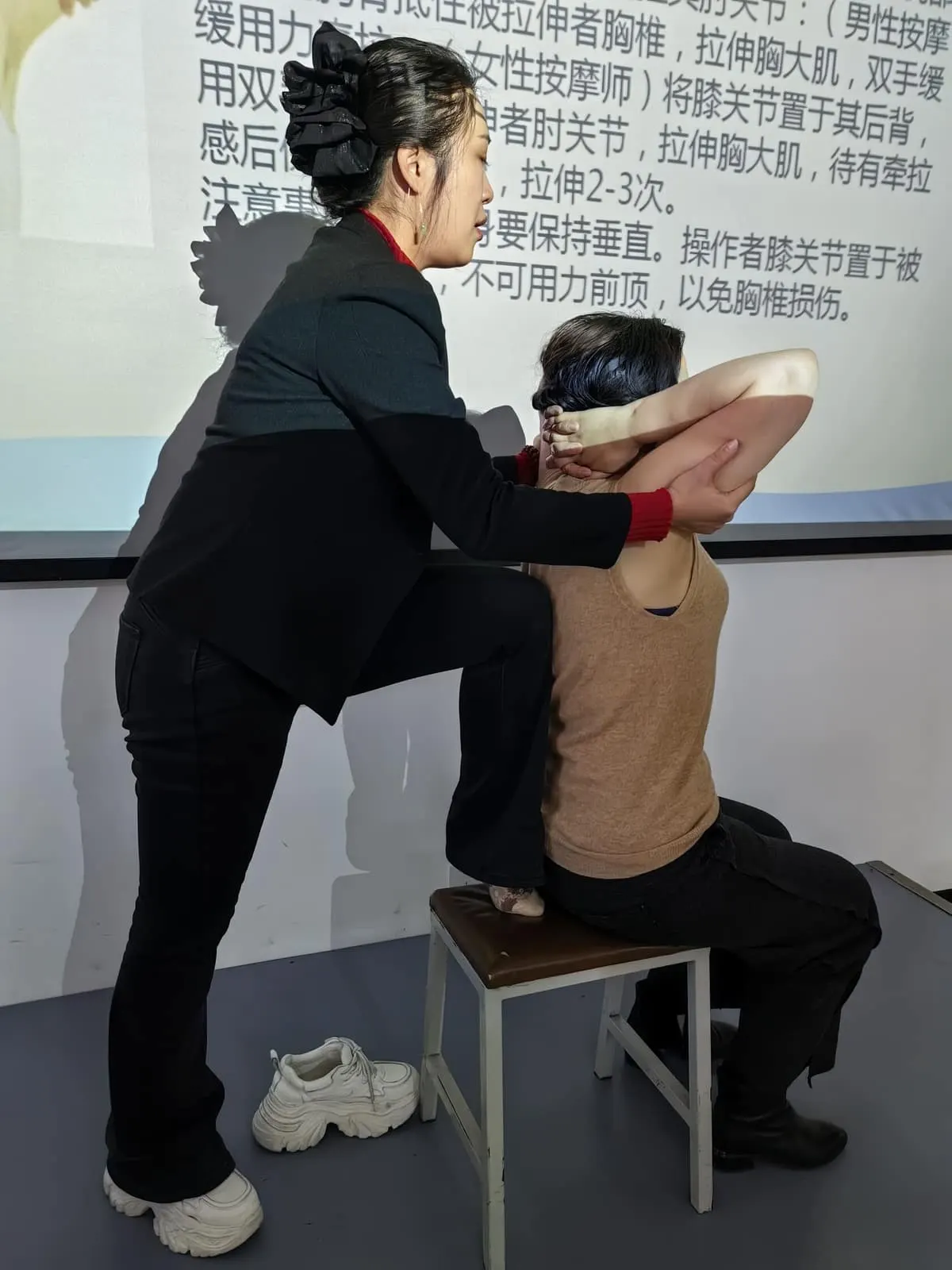
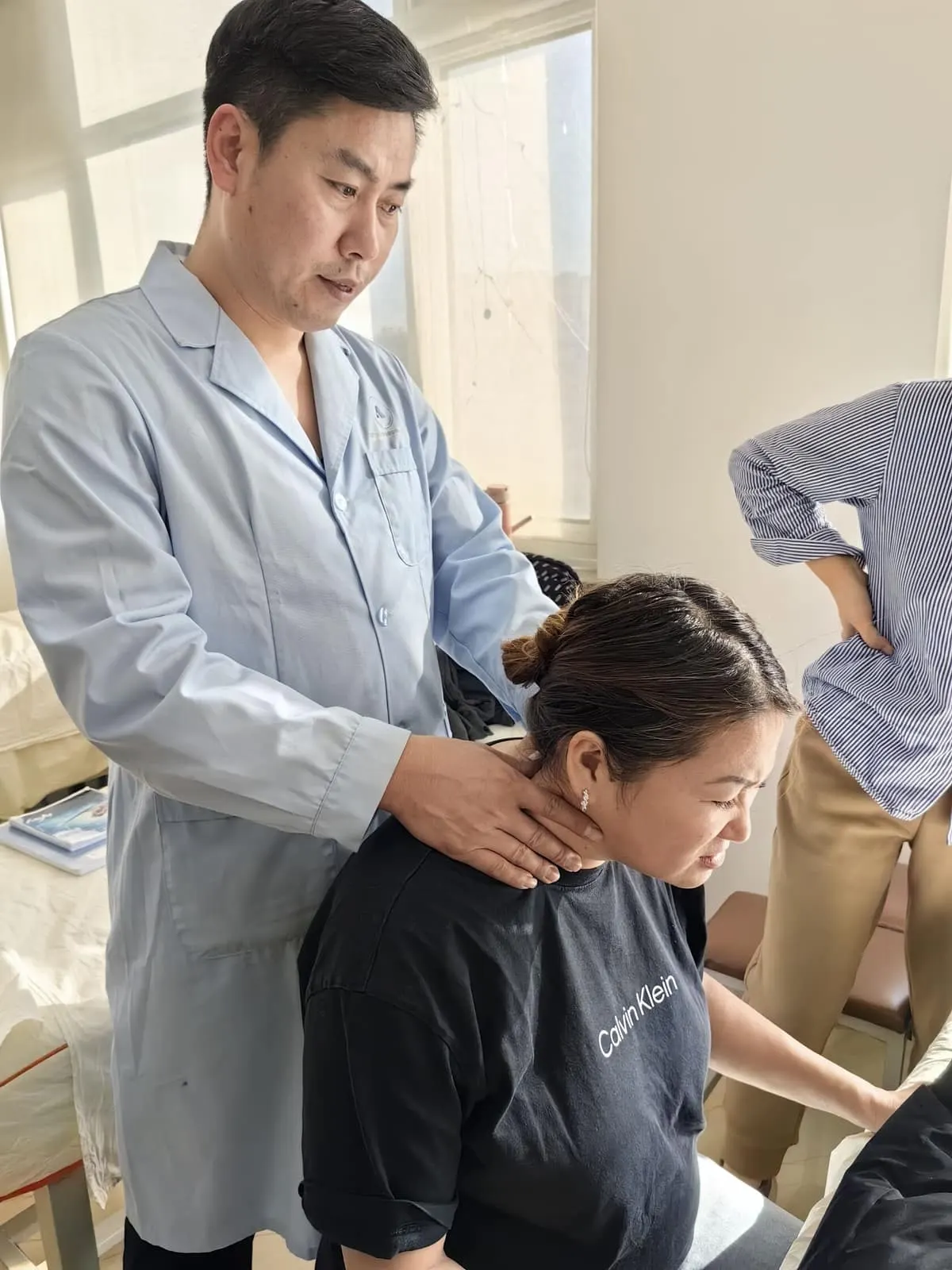
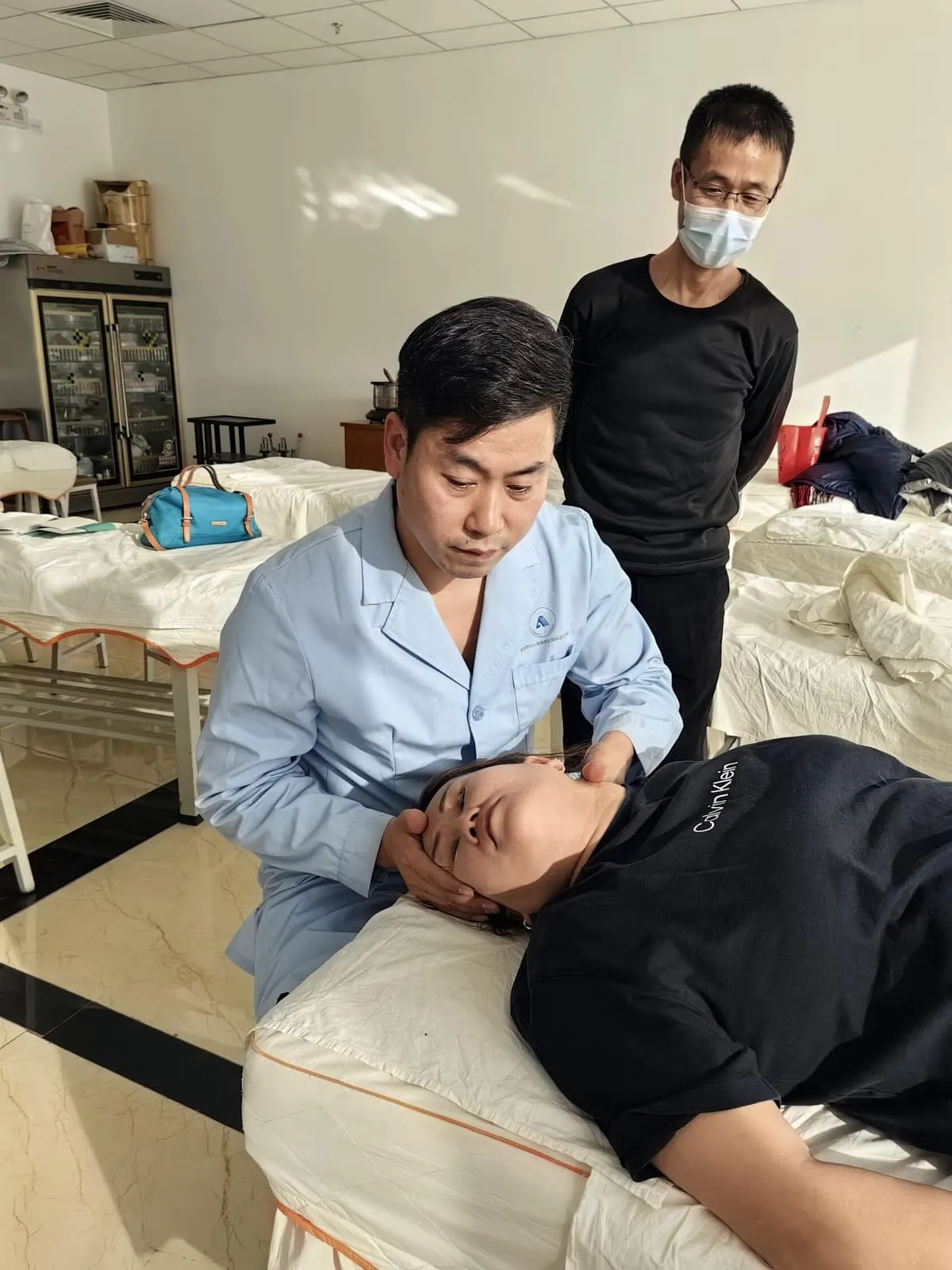
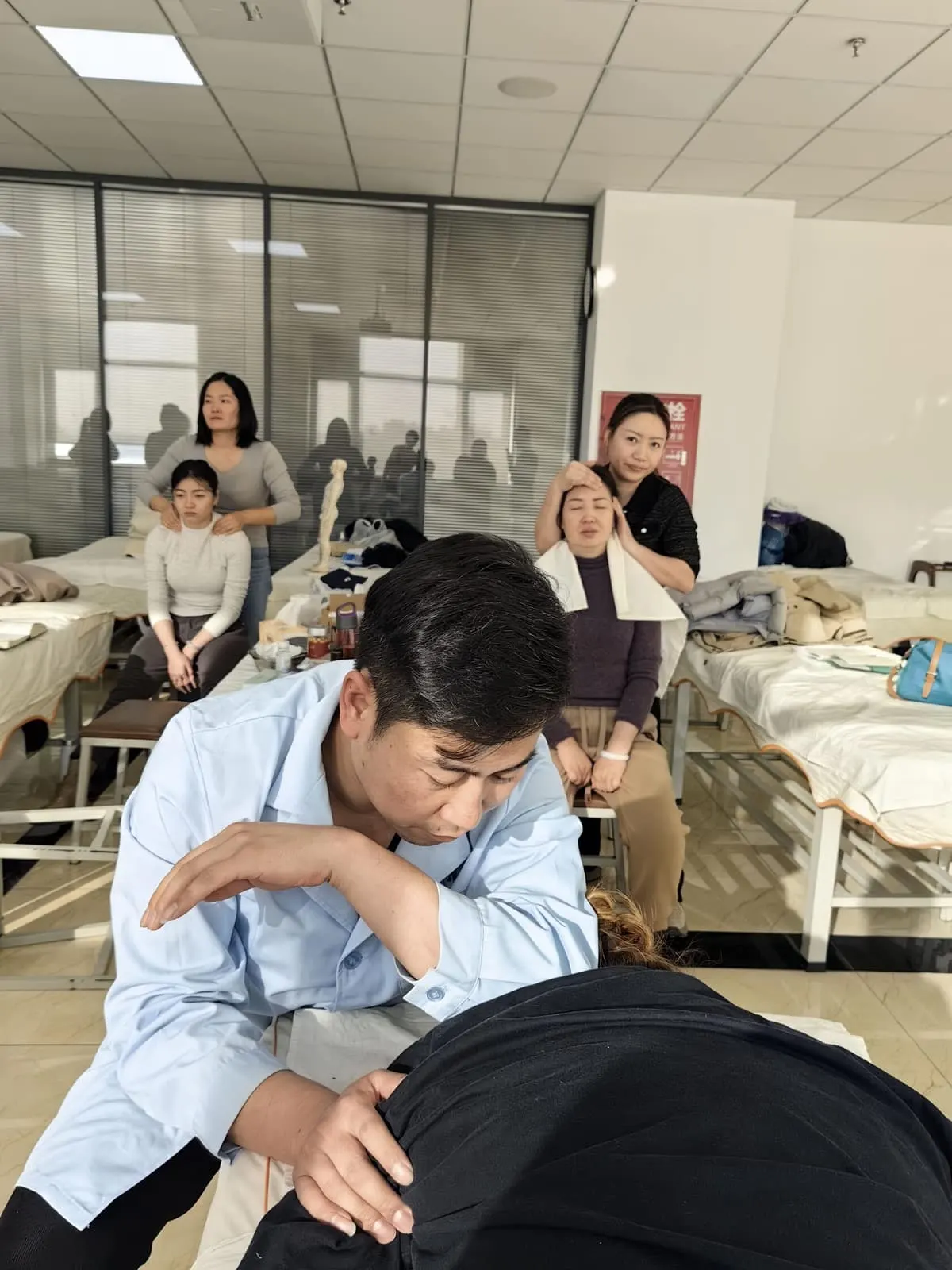
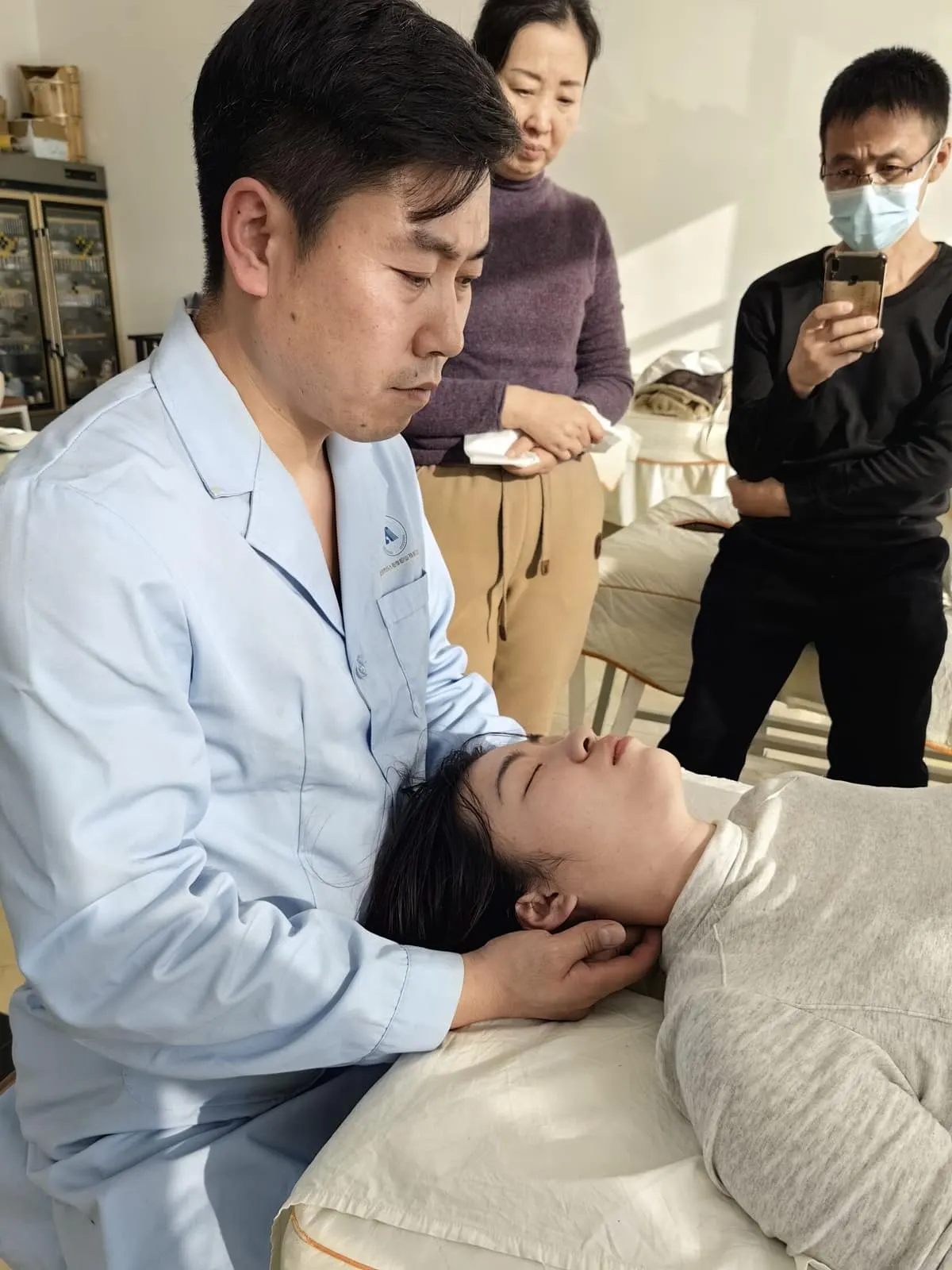
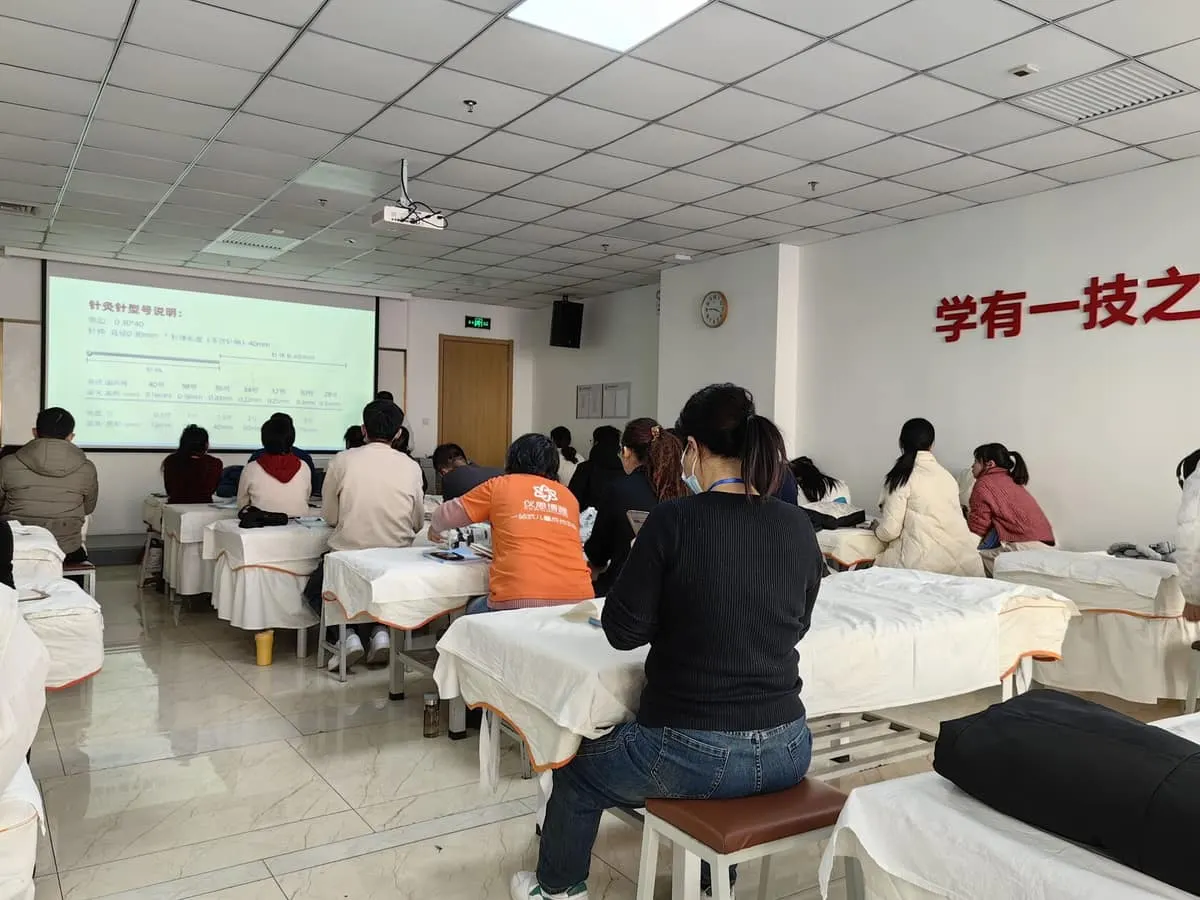
The training is delivered in lecture format
A comprehensive programme and methods aimed at correcting the shape of joint surfaces, reducing tension and stabilising muscle tone.
With hands-on classes and interpreting into Russian and English. If you need another language, we can provide an interpreter on separate request and payment.
A professional method guide in Russian is issued.
Documents you will receive
You receive a Europass supplement to your diploma or certificate — your pass to working abroad.
Our standards — graduating top-class specialists
Places are limited
Book your place and fix the price now.